
Owner of Housing Complex Not Responsible for Injuries Boy Suffered When Bit by Dog on Playground
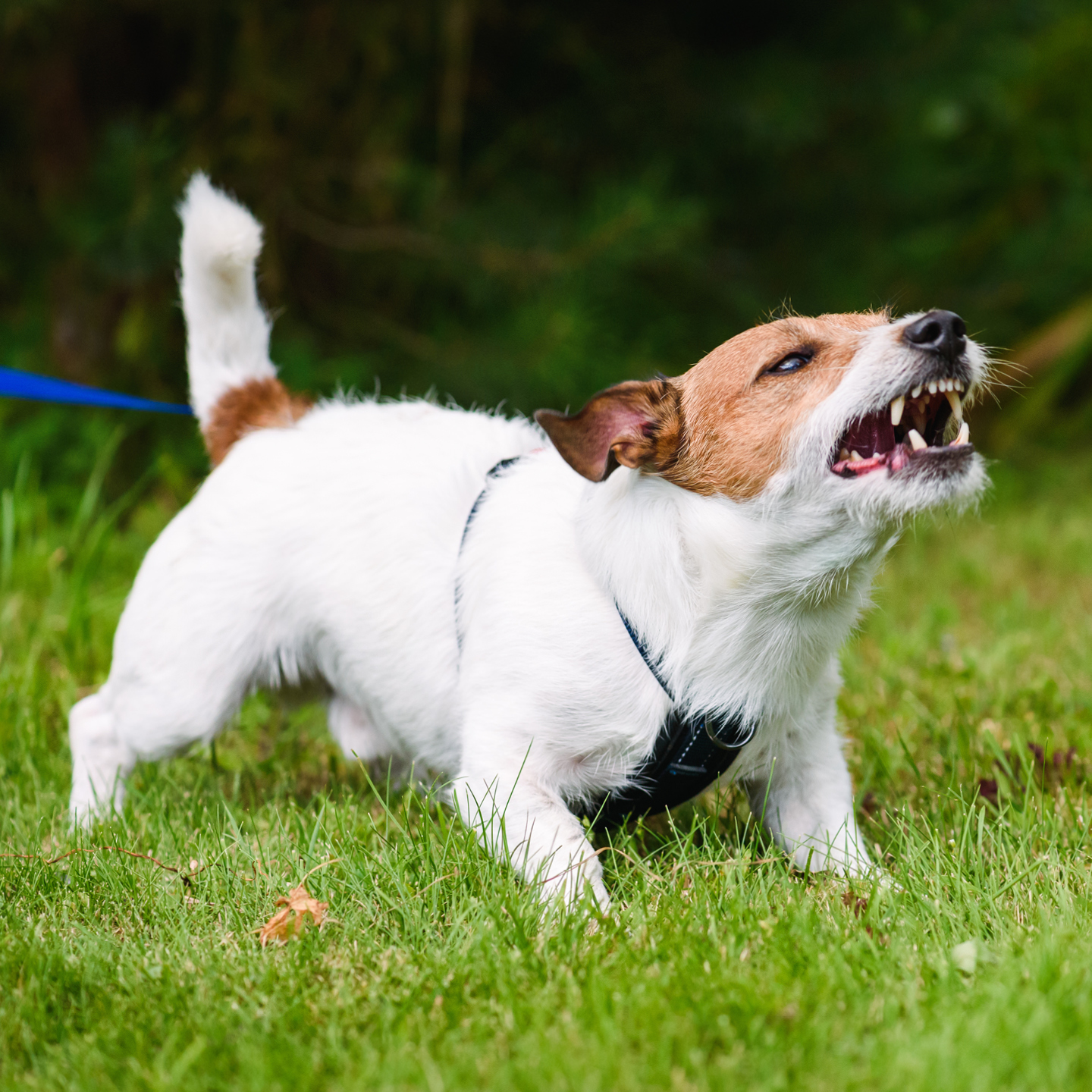
Owners of a residential community are not liable for the injuries suffered by a boy who was bitten by a tenant’s dog.
The owner of a Montgomery County manufactured-home community is not liable for the injuries suffered by a boy who was bitten by a tenant’s dog on the community’s playground, the Supreme Court of Ohio ruled today.
In a 5-2 decision, the Supreme Court reversed a Second District Court of Appeals decision that found the owner of Oakwood Village was liable for the boy’s wounds, which required more than 50 stitches.
Writing for the Court majority, Chief Justice Sharon L. Kennedy stated that the owner of the manufactured-home community could be held liable for a leashed dog in a common area if the owner was a “harborer” under R.C. 955.28(B). The term “harborer” is not defined in state law.
“To harbor a dog under R.C. 955.28(B), one must shelter, protect, or exercise control over it,” she wrote. “An owner of a manufactured-home community that allows residents to possess dogs in their dwellings and allows a dog to be in common areas while on a leash is not, by itself, a harborer of a dog.”
Justices R. Patrick DeWine, Joseph T. Deters, Daniel R. Hawkins, and Megan E. Shanahan joined Chief Justice Kennedy’s opinion.
In a dissenting opinion, Justice Patrick F. Fischer wrote that for decades, Ohio courts have held that a “harborer” of a dog is someone who possesses or controls the premises where a dog lives and silently consents to the dog’s presence. He cited lower court opinions holding that landlords could be liable for dog attacks in common areas under their control.
“Because the majority opinion upends decades of caselaw by reversing the Second District’s judgment, I dissent,” he wrote.
Justice Jennifer Brunner joined Justice Fischer’s dissent.
Boy Bitten by Another Resident’s Dog
The boy, identified in court records as “L.H.,” lived with his mother at Oakwood Village. Beth Ann Lake also lived at Oakwood, and her son took the family dog to one of the community’s playgrounds. Oakwood Village has a list of prohibited dog breeds that tenants cannot keep, and the dog was not on it. Lake’s son tied the dog to the swing set with its leash.
As L.H. approached the dog, it bit him on the face. L.H.’s mother filed a lawsuit in Montgomery County Common Pleas Court against Lake and Sun Secured Financing, the owners of Oakwood Village. The suit alleged that the company was a “harborer” of the dog that bit L.H. and was strictly liable for his injuries. Lake did not respond to the lawsuit, and a default judgment was issued against her.
Sun asked the trial court for summary judgment, arguing that it did not meet the definition of “harborer” under R.C. 955.28(B). The trial court agreed with Sun and dismissed the case.
The family appealed the decision to the Second District. In a 2-1 decision, the appeals court ruled that Sun did harbor the dog and was liable for L.H.’s injuries. Sun appealed to the Supreme Court.
Supreme Court Analyzed Dog Law
R.C. 955.28(B) makes an “owner, keeper, or harborer of a dog” financially liable for any injuries, death, or loss of property caused by a dog, Chief Justice Kennedy explained. The word “harborer” was inserted into the current version of the law in 1987 and is not defined.
The opinion stated that when a word is not defined in state statutes, the Court will apply its plain and ordinary meaning. The Court examined several dictionary definitions of “harborer” as well as reviewed decisions by courts in other states that have addressed the meaning of the word “harbor” in the context of dog-bite laws.
Based on the plain and ordinary meaning, harboring a dog denotes sheltering, protecting, or exercising control over it, the opinion stated. Conversely, Ohio courts of appeals have defined a “harborer” as someone who controls the premises where the dog lives and “acquiesces,” giving implied consent to a dog’s presence without expressing or acknowledging the right for the dog to be on the property, the Court noted.
Sun did not shelter, protect, or exercise control over the dog that bit L.H., the opinion noted. Rather, Lake owned the dog and was the one who sheltered, protected, and exercised control over it. Sun’s rules allowed dogs not on a restricted list to live with residents at Oakwood Village and permitted them to enter community common areas, such as the playground. The rules required owners to exercise control of the dogs in common areas, including keeping them on a leash at all times and cleaning up after them.
“Moreover, there is no evidence that Sun provided dog houses or dog food in common areas. As a matter of law, then, Sun was not a harborer of Lake’s dog under R.C. 955.28(B),” the opinion stated.
The Court reinstated the trial court's judgment in favor of Sun.
Complex Harbored Dog, Dissent Maintained
In his dissent, Justice Fischer detailed the history of the use of “harborer” in state law dating back to 1900. In 1900, a law was enacted to impose strict liability on “owners and harborers” of dogs that injured people. Forms of the law continued to use “owner” and “harborer” until 1951, when the General Assembly eliminated the word “harborer” and imposed liability on an “owner or keeper” of a dog.
In 1983, an appeals court found a landlord could not be held liable for a dog bite injury caused by a tenant’s dog because the landlord was not an owner or keeper of the dog. In 1987, lawmakers added the word “harborer” back to the law.
The decision to add the word indicates the legislature responded to the court decision and intended for a landlord, under certain circumstances, to be considered a harborer of a tenant’s dogs, the dissent stated.
Owners and keepers of dogs refer to the people who own or have physical control and care of dogs, the dissent noted. When determining who is a “harborer,” the focus shifts to possession and control of the place where the dog lives, the dissent stated.
The definition of a “harborer” as someone who controls the premises and acquiesces to a dog’s presence has been applied in Ohio since 1945, the dissent stated, and 11 of the 12 district courts of appeals have used the definition.
“There may be valid policy reasons for wanting to limit a landlord’s liability for its tenant’s dogs. But if Ohio wants to institute such a drastic change, it should come from the General Assembly,” the dissent stated.
2025-0175. L.H. v Sun Secured Financing LLC, Slip Opinion No. 2026-Ohio-2219.
 View oral argument video of this case.
Please note: Opinion summaries are prepared by the Office of Public Information for the general public and news media. Opinion summaries are not prepared for every opinion, but only for noteworthy cases. Opinion summaries are not to be considered as official headnotes or syllabi of court opinions. The full text of this and other court opinions are available online.
 PDF files may be viewed, printed, and searched using the free Acrobat® Reader
 Acrobat Reader is a trademark of Adobe Systems Incorporated.